


How Long Does Phase 1 Orthodontic Treatment Take?

A shorter first phase can still be part of a longer orthodontic journey. For most children, Phase 1 orthodontic treatment takes 6 to 12 months. If you’re wondering how long Phase 1 orthodontic treatment takes for your child, tooth growth and the treatment needed help shape the timeline.
It’s natural to hope for a clear start and finish date, especially when your child is balancing school, activities, and a new appliance. Phase 1 begins while baby teeth and permanent teeth are both present, and its goal is to address specific concerns as your child grows. It isn’t necessarily the end of orthodontic care.
In this guide, you’ll learn what Phase 1 braces can involve, when early treatment may begin, and why the arrival of permanent teeth can affect what happens next. We’ll also explore how orthodontic timelines differ across childhood and the teen years, so you can picture the journey one milestone at a time.
Table of Contents
What Is Phase 1 Orthodontic Treatment?
Phase 1 orthodontic treatment, also called early treatment, takes place while a child has baby teeth and permanent teeth. It uses selected appliances to address developing bite or alignment concerns during this mixed-tooth stage.
Phase One orthodontic treatment is planned around a child’s dental development, not a one-size-fits-all calendar. Understanding what the appliance is designed to do can help parents follow the treatment steps and appointments.
Phase One Appliances and Methods
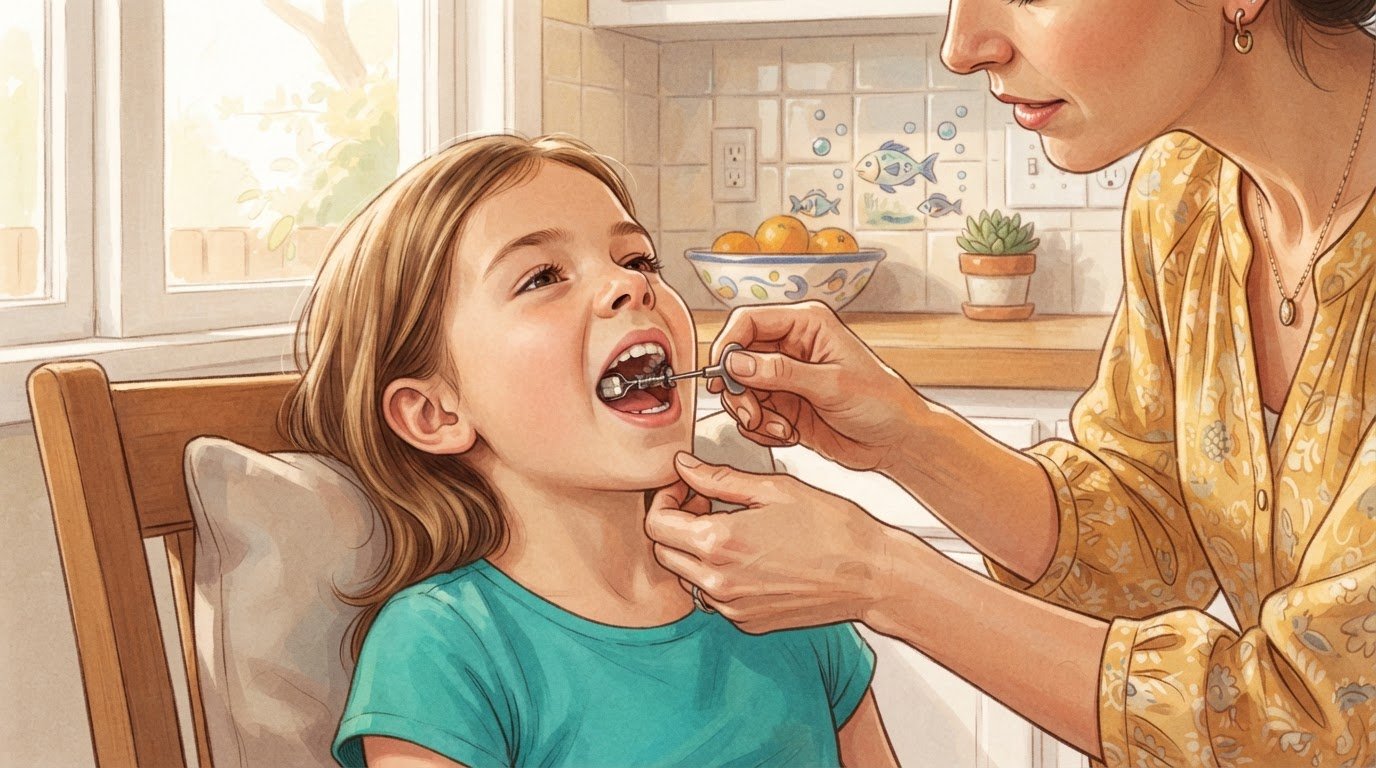
Phase One appliances guide developing teeth or address specific bite concerns. Depending on the child’s needs, a plan may use limited braces, a palatal expander, or a removable appliance. Limited braces move selected teeth, while an expander widens the palate when that is part of the treatment goal. The orthodontist’s assessment determines which approach fits.
Treatment Goals for Phase One
Phase One treatment addresses selected orthodontic concerns while a child’s teeth and jaws are developing. For example, an orthodontist may recommend an expander to widen the palate or limited braces to guide particular teeth. Early treatment does not automatically prevent the need for later orthodontic care. Its purpose is to manage the concern identified for this phase.
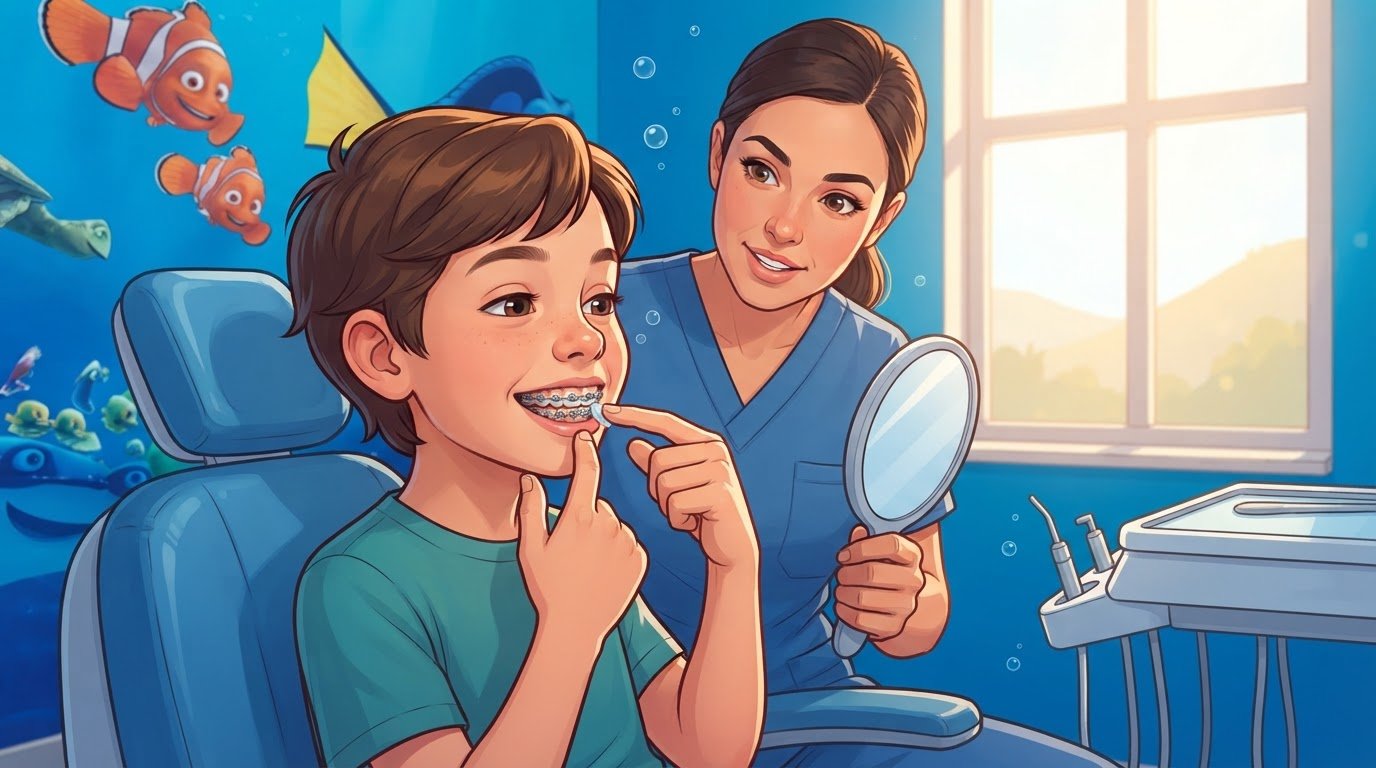
Appliance placement usually takes one appointment lasting 1-2 hours. Removal is typically completed during one short appointment. These visits mark the start and end of active appliance use, while progress visits take place between them. A child’s specific appliance schedule follows the orthodontic treatment plan, including whether it is fixed or removable.
During Phase 1, orthodontic appointments usually occur every 4-8 weeks for adjustments and progress monitoring. These visits let the orthodontist assess how the appliance is working and whether it needs adjustment. A removable appliance also requires consistent wear as directed; missed wear can interfere with the planned progress. Appointment timing is part of the treatment timeline, not an extra phase.
There is no single average cost that applies to every Phase 1 plan; the appliance type and treatment scope affect the overall cost. For families, the useful comparison is what the plan addresses and which appliances it includes, rather than assuming every child needs the same approach.
Phase 1 appliances may include limited braces, a palatal expander, or a removable appliance. No single wear duration applies to each type: the treatment plan sets how long the child uses it, based on the orthodontic goal and progress. After active treatment, a retainer may help maintain tooth position. Its wear schedule is separate from the active Phase 1 appliance schedule.
Typical age for early orthodontic treatment
Children often have an orthodontic evaluation before they’re ready for braces. The American Association of Orthodontists recommends a first consultation no later than age 7. Phase 1 treatment is generally considered for children ages 6 to 10, and it may begin around age 7 when a developing concern needs attention. An evaluation doesn’t mean treatment must start immediately.
Dental development helps explain this age range. Around age 7, children commonly have a mix of baby teeth and permanent teeth, giving the orthodontist a chance to assess how the bite and teeth are developing. The calendar is only one clue. Tooth position, the bite, and the child’s stage of growth all help shape whether early treatment is appropriate.
Early, or interceptive, treatment can address developing concerns such as crowding, a bite that doesn’t fit together comfortably, or a palate that may need guidance. Timing can matter when a concern affects the way permanent teeth are emerging. For example, losing baby teeth before age 5 or continuing oral habits past age 5 can be signs worth discussing during an orthodontic evaluation.
Tooth loss patterns can offer another reason to look more closely. Losing baby teeth after age 7 to 8 may also signal a developmental concern. These clues don’t diagnose an orthodontic problem on their own; they help frame a conversation about the child’s dental development. An orthodontist considers the pattern alongside the bite and tooth positions before discussing treatment options.
The age treatment begins does not determine how long it lasts. A palatal expander, limited braces, or another appliance addresses a particular need, so the treatment plan and the child’s progress shape the active treatment timeline. The orthodontist monitors changes at scheduled appointments and adjusts the plan when needed. Age is one factor, not a timeline by itself.
Early treatment can address a developing concern while a child is still growing. However, starting early does not necessarily remove the need for another orthodontic phase later. Some children need further treatment after more permanent teeth come in. The full orthodontic journey may therefore be longer than a single later phase, even when Phase One has a focused goal.
Braces, removable appliances, and aligners are not interchangeable options for every child. The bite, tooth position, dental development, and orthodontic evaluation guide the recommendation. Parents can ask how the proposed appliance addresses the concern, what changes the orthodontist will monitor, and which milestones indicate progress. These details make the treatment plan more meaningful than age alone.
Typical duration of Phase I orthodontic treatment
For most children, active Phase I orthodontic treatment lasts 6 to 12 months. The timeline reflects the orthodontic concern being treated and the changes tracked during care.
Factors Affecting Treatment Time
Active treatment time depends on the orthodontic concern, the appliance, and the child’s progress at follow-up visits. A plan for one developing concern may differ from one addressing several alignment needs. Dental development matters too, including which permanent teeth have erupted alongside baby teeth. An evaluation gives parents a more useful timeline than age alone.
Progress depends partly on following the appliance plan. For a removable appliance, wearing it as directed supports the intended treatment schedule. With fixed braces, the orthodontist monitors tooth movement and adjusts the appliance during follow-up visits. Appointments usually occur every 4-8 weeks, allowing progress checks and adjustments. If treatment goals change as the child grows, the plan may need to change too.
Duration Across Orthodontic Problems
Phase I duration varies with the type and extent of the orthodontic problem. Most children spend 6 to 12 months in this phase, while mild orthodontic cases also typically take 6 to 12 months of active treatment. The length reflects the work required, such as addressing a developing bite concern or guiding selected teeth.
How does duration vary by orthodontic problem? A focused concern may fit the typical 6-to-12-month Phase I range, while more involved orthodontic cases can need longer active treatment. Moderate cases typically take 12-24 months, and severe cases typically take 24-36+ months; those figures describe active orthodontic treatment generally, not a Phase I duration guarantee.
Phase One is generally shorter than Phase Two, but the phases address different stages of dental development. An early appliance may target a specific concern while permanent teeth are still erupting. Later treatment may involve additional alignment once more teeth have come in. Use the estimate provided at the evaluation as a guide, and compare progress with the treatment goals.
Shortest and Longest Treatment Durations
There isn’t one shortest or longest duration that applies to every Phase I plan. The typical range for most children is 6 to 12 months, while active orthodontic treatment across cases can span 6-36 months. That broader range includes treatment beyond Phase I, so it shouldn’t be mistaken for a specific limit on early treatment.
A focused concern may need a shorter plan, while more involved needs can extend active treatment. The appliance, dental development, and progress at review visits all affect the timeline. At each evaluation, the orthodontist can explain which goals have been met and what remains. This helps families distinguish active appliance treatment from a longer journey that may include a later phase.
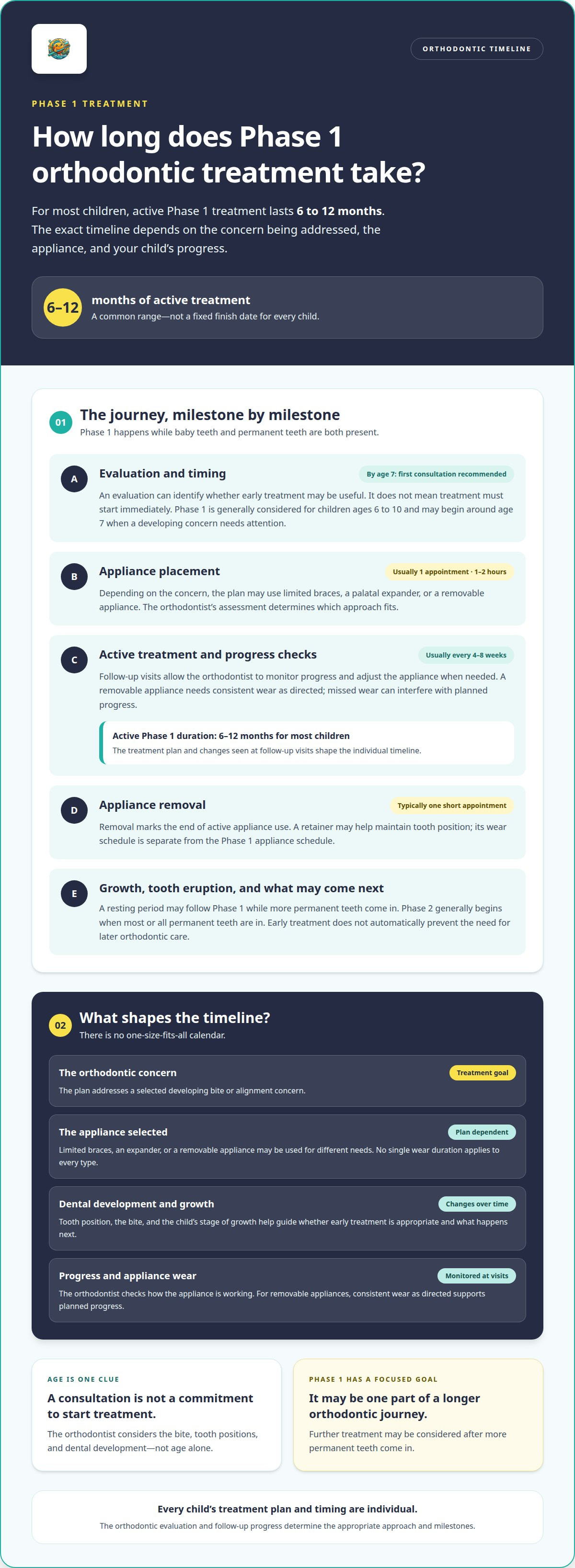
Resting period and permanent tooth eruption
Phase 1 doesn’t always lead directly to Phase 2. The resting period gives permanent teeth time to erupt before the next stage begins.
The Resting Period Between Phases
The resting period is the interval between active Phase 1 treatment and any later orthodontic phase. It usually lasts one to three years, allowing dental development to continue before the next treatment decision. Most children have this pause rather than completing both phases back-to-back. Understanding the interval helps families distinguish active appliance treatment from the full orthodontic journey.
During this period, children typically visit the orthodontist every 6 to 12 months. These check-ins let the orthodontist follow changes as permanent teeth emerge and assess whether the bite or alignment needs further attention. The visits aren’t the same as active treatment appointments: they monitor development during a pause from appliances. Keeping the follow-up schedule helps the care team track the next milestone.
Permanent Tooth Eruption After Phase One
Permanent tooth eruption is the gradual arrival of a child’s adult teeth as baby teeth are replaced. Phase 2 generally begins when most or all permanent teeth are in. This timing matters because the orthodontist needs to assess the developing bite and tooth positions before planning comprehensive treatment. An expander or other Phase 1 appliance doesn’t mean the next phase starts immediately.
After Phase 1 ends, the child usually waits for permanent teeth to erupt before full treatment in the teen years. Phase 2 usually starts between ages 11 and 14. The sequence gives the orthodontist an opportunity to observe how the teeth develop after early treatment, rather than moving straight into another active phase. Each check-in during the resting period provides a progress snapshot.
Tooth eruption doesn’t follow an identical calendar for every child. The number and position of erupted permanent teeth help guide the timing of Phase 2. For example, if several teeth are still developing, a monitoring visit can record their progress instead of beginning comprehensive braces immediately. This is why the pause belongs in the timeline, even when no active appliance is being worn.
Phase 1 may address a specific concern, while later treatment focuses on the broader alignment once more permanent teeth are present. The orthodontist uses follow-up observations to determine whether another phase is appropriate and when it should begin. For parents, the key distinction is simple: finishing Phase 1 marks the end of that active stage, not necessarily the end of orthodontic care.
Some children proceed to Phase 2, while others don’t need another treatment phase. The resting period helps clarify that path through ongoing observation of tooth eruption and dental development. A child’s orthodontic timeline therefore includes both active treatment and planned monitoring, with permanent teeth serving as an important guide for what happens next.
Orthodontic treatment timelines by age group
A child’s age provides context for orthodontic timing, but dental development and the concern being treated matter too. Phase One and later braces are separate stages, so the overall journey can span years.
Ages 6 to 10: Phase 1 is generally considered for children in this age range. An orthodontic consultation by age 7 can assess how the bite, jaw growth, palate, and emerging permanent teeth are developing. If a concern needs early attention, treatment commonly lasts 6 to 12 months. A palate expander may be considered for a specific concern, while other plans may use limited braces or another appliance.
A growing child may have baby teeth alongside permanent teeth. That mix affects which treatments may be useful now and which concerns can be monitored as more teeth erupt. For example, an orthodontist assessing a crossbite considers how the teeth fit together and the child’s dental development. Age alone does not determine whether treatment begins or how long it lasts.
Ages 11 to 14: Phase 2 usually starts between ages 11 and 14, when most or all permanent teeth have erupted. The resting period after Phase 1 usually lasts one to three years, with orthodontic visits every 6 to 12 months. Those visits track tooth eruption and help determine when comprehensive treatment should begin.
Phase 2 typically lasts 12 to 24 months. Its timeline depends on the alignment and bite concerns addressed during that stage, including how the permanent teeth fit together. A child who had Phase 1 may still need full braces as a teen. Early treatment does not guarantee that later treatment will be shorter or unnecessary.
Teenagers and adults: Comprehensive orthodontic treatment for teens averages 12-24 months. Adult orthodontic treatment averages 18-30 months. These figures describe comprehensive treatment, not a Phase 1 timeline, and they show why age-group comparisons need context. The treatment goal, tooth position, and dental evaluation all help shape the plan.
Jaw growth and the palate are important considerations in early orthodontic treatment. A palate expander may be recommended when expansion is part of the plan, but it is not suitable for every child. A crossbite, crowding, or another bite concern needs an individual assessment. Treatment decisions depend on the orthodontic evaluation, not age or a diagnosis alone.
For parents, age is best viewed as a scheduling clue, not a countdown. An evaluation can clarify whether the next step is active treatment, monitoring during tooth eruption, or comprehensive braces later. Comparing the child’s dental development with these age-based stages makes the timeline easier to understand without confusing Phase 1 duration with the full orthodontic journey.
Fun Valley Kids Dental Group: Fluoride Treatments
Fun Valley Kids Dental Group provides pediatric dental care, including exams, cleanings, fluoride treatments, and dental sealants. Routine dental visits remain a separate part of caring for a child’s teeth during orthodontic treatment. A pediatric dental exam assesses oral health, and the dentist can discuss preventive care based on the child’s needs.
Families in Sun Valley can bring questions about preventive care alongside their child’s changing dental needs. If you’d like to discuss fluoride treatments or schedule a pediatric dental appointment, contact Fun Valley Kids Dental Group.
Make Your Child’s Next Orthodontic Step Clear
Knowing how long Phase 1 orthodontic treatment takes is only one part of planning. A useful next step is to turn your child’s questions into a conversation about what they’re experiencing, what feels uncertain, and what they’d like to understand before treatment begins. That helps make the orthodontic journey feel more familiar and gives your family a shared way to prepare.
Bring questions about your child’s bite, appliance, or treatment plan to an orthodontic appointment. An individual evaluation connects those concerns with your child’s dental development and explains the options. You do not need to map every milestone today; focus on understanding the next step.
Get in touch with Fun Valley Kids Dental Group to talk about your child’s orthodontic care. With clear information and a supportive team, your family can move forward feeling ready for the next part of the adventure.
Frequently Asked Questions
What Is Phase 1 Braces?
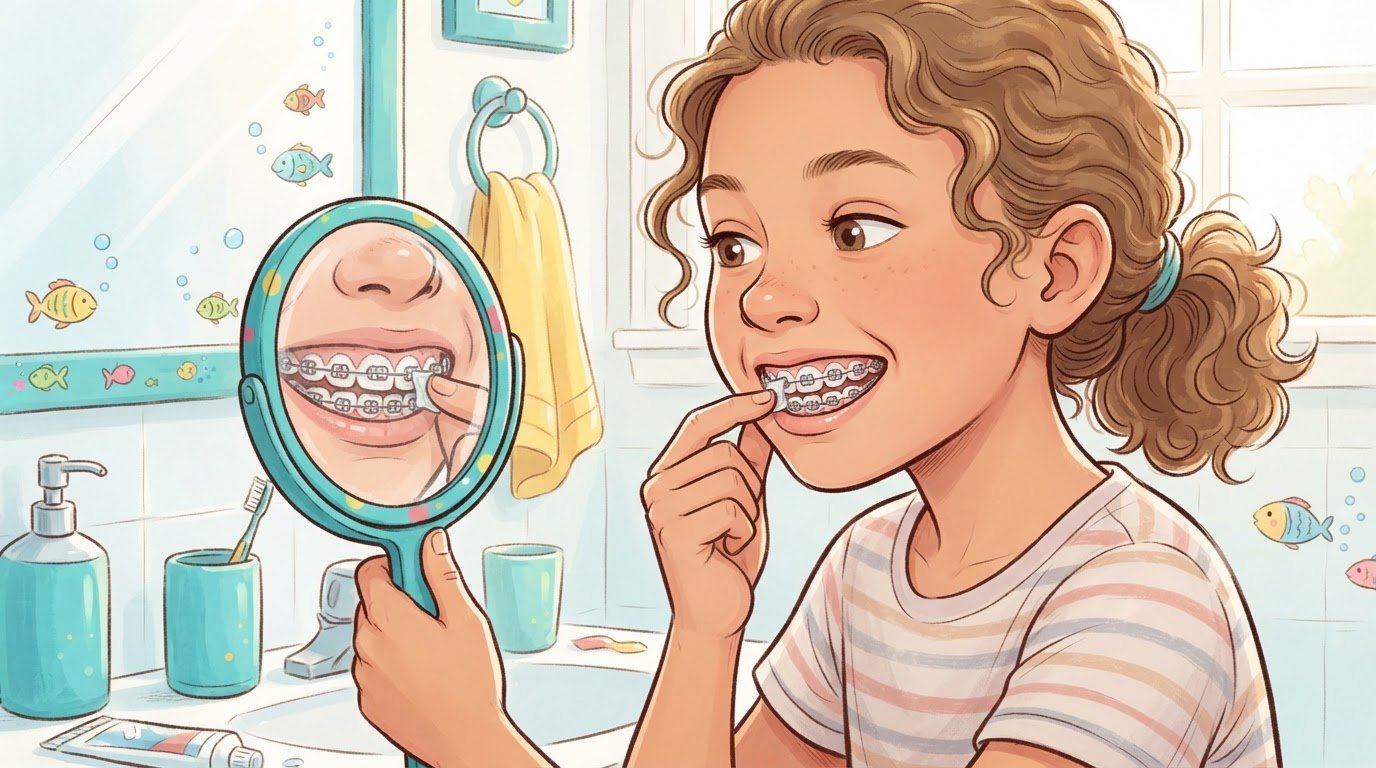
Phase 1 braces are braces used as part of an early orthodontic plan for a child. Ask what visible change the orthodontist is tracking, such as whether certain teeth are moving into a healthier position. Families can also ask how to brush around brackets and wires, since careful cleaning helps keep teeth and gums comfortable during treatment. The appliance’s purpose should be clear before treatment begins.
When Should My Child See an Orthodontist?
Arrange an initial orthodontic exam by age 7, or sooner if a dentist recommends an assessment. Before the visit, note concerns such as trouble biting into food, a jaw that shifts while closing, or teeth that seem to be emerging unusually. These observations give the orthodontist useful context. The appointment can clarify whether the pattern needs attention now or simply belongs on the watch list.
Who Needs Interceptive Orthodontics?
Interceptive orthodontics may be considered when a developing dental or bite concern could benefit from attention before all permanent teeth arrive. For example, a child who regularly shifts the jaw to bring the teeth together can be assessed for a bite issue. That behavior alone does not determine treatment. The orthodontist evaluates the bite and dental development, then explains whether early care or observation is appropriate.
Why Put Braces On Baby Teeth?
Baby teeth are not braced simply because they are present. In some early plans, braces are placed on selected teeth while baby and permanent teeth coexist, allowing the orthodontist to address a specific alignment goal. Parents can ask which teeth the braces will move and how that movement relates to the child’s bite. Understanding the purpose makes the plan easier to follow.
How Does Early Treatment Guide Jaw Growth?
Early treatment can address how the upper and lower teeth meet while a child is growing. The orthodontist assesses the bite and dental development, then explains whether an appliance is intended to influence the palate or support a specific alignment goal. Parents can ask what change the appliance is designed to make and how progress will be assessed at follow-up visits.
How Long Does the Active Phase Last?
For most children, active Phase 1 treatment lasts 6 to 12 months. The active phase refers to the period of appliance treatment, not every month of orthodontic monitoring that may follow. At progress visits, ask which treatment goals have been met and what remains before the appliance comes off. Those milestones make the estimated finish easier to understand as treatment progresses.
How long does Phase 1 orthodontic treatment typically last?
Most Phase 1 plans take 6 to 12 months of active treatment. To understand what that estimate means for your child, ask the orthodontist to identify the planned start point, the goal for removing the appliance, and the signs of progress they’ll review. This turns a general timeframe into a practical treatment outlook without confusing appliance use with later monitoring or another phase.
What factors affect the duration of Phase 1 orthodontic treatment?
The treatment goal, the child’s response to the appliance, and consistent follow-up all influence the timeline. At appointments, families can ask whether tooth movement is progressing as expected and whether the appliance still fits the plan. For removable appliances, clarify the prescribed wear routine and what to do if the appliance is lost or damaged, rather than guessing about missed wear.
Comments